
The Lenity Blog
How to Set a Goal Small Enough to Actually Start
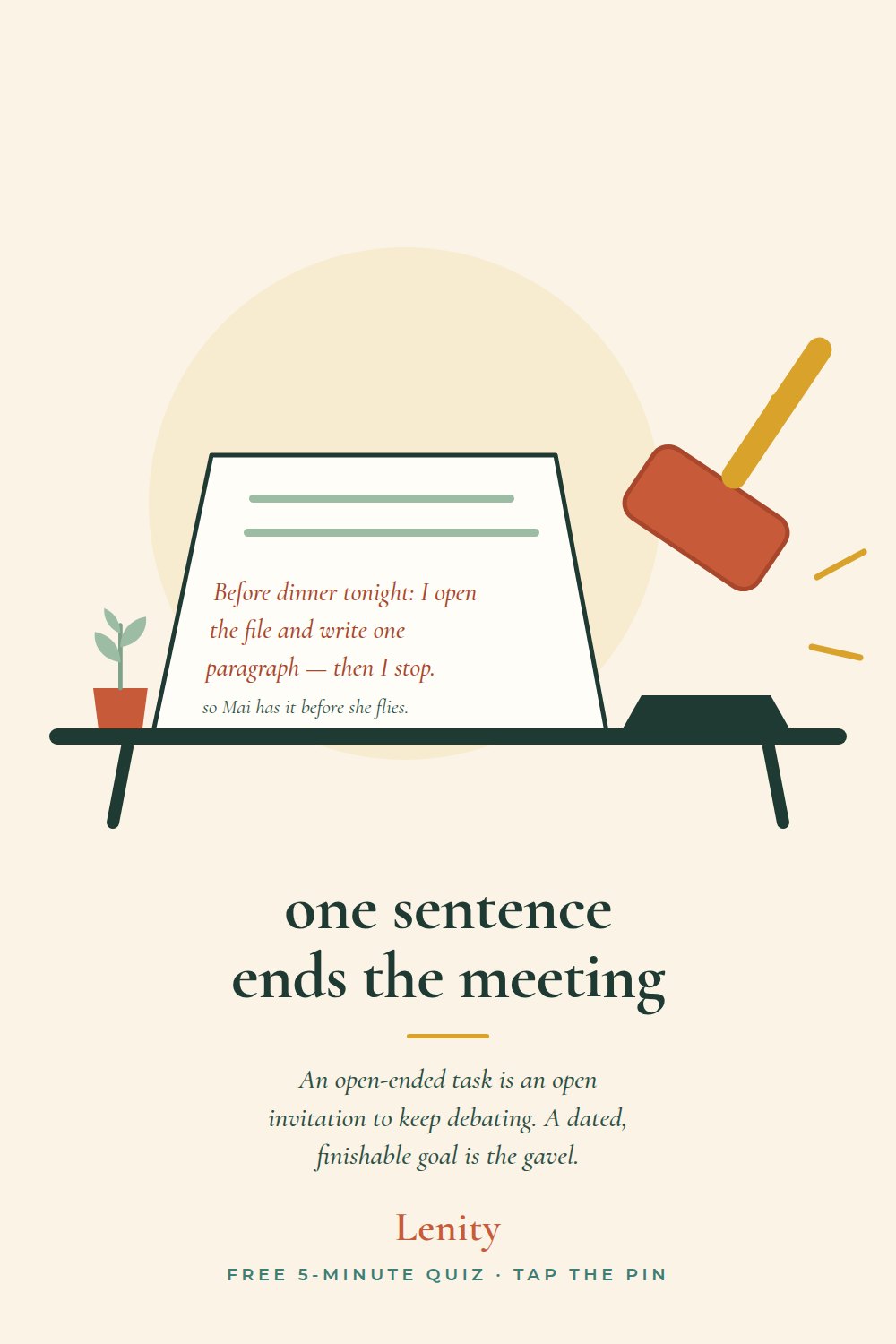
"Work on the report." Sounds reasonable. Also completely open-ended.
When does "work on the report" finish? After ten minutes? Two hours? When the report is perfect? When you don't hate it anymore?
No wonder your brain keeps negotiating.
A vague goal gives your brain nowhere to stop
Specific goals work better because they give you something concrete to aim at. And when you're already stuck, specificity matters even more.
You don't need a grand five-year plan. You need one sentence that tells your brain exactly what happens next.
The five checks
A useful way to write that sentence is with the familiar SMART checklist. But don't turn it into a corporate exercise. Use it simply.
1. Specific
Don't write "sort out my finances." Write: "Open my banking app and write down the balance of my three main accounts."
Can another person read your sentence and know exactly what to do? If not, make it smaller.
2. Measurable
You need to know when it's done. Not "make progress on the presentation", but "write the first three slides."
Done or not done. No debate.
3. Achievable
This is where people often go wrong. When you're stuck, you may think the goal needs to feel impressive. It doesn't. Make it smaller than your ego wants.
The goal right now isn't to maximise output. It's to create one clean finish. One finish gives you evidence. Evidence helps rebuild belief.
4. Relevant
Give yourself one real reason. Not "because I should." Try: "I'll reply to this message because I want to keep this relationship."
That's enough. You don't need a motivational speech.
5. Time-bound
Don't say "I'll do it this week." That's too far away. Say: "After dinner tonight, I'll open the file and write one paragraph."
Now your brain knows when the meeting ends.
But SMART isn't for everything
If you're exploring something genuinely new, creative or uncertain, overly specific goals can sometimes get in the way. You don't need to know the destination before you explore.
But that's not the situation we're talking about here. We're talking about something you already know how to do. You just aren't starting. For that, a small, specific, finishable goal can be exactly what you need.
Write one sentence
Not ten goals. Not a new productivity system. One sentence.
"After I put the kids to bed tonight, I'll open the file and write one paragraph. Then I'm done."
That's it. Now the committee has an edge. There's nothing much left to negotiate.
And if the voices start shouting while you're reaching for the laptop? You already know what to do. Stop arguing with them →
You don't need to feel motivated. You don't need to feel confident. You don't need to feel ready. You need a goal small enough to start — and clear enough to finish.
Stop forcing yourself. Stop gritting through another week.
The way out of stuck was never more pressure — it's finding out which of your three batteries is running empty, and refilling that one. Autonomy, competence, connection: whichever is low is the one that decides how you start, and pushing harder on the other two is why the last attempt didn't hold.
The free 5-minute quiz tells you which one it is, and what actually works for your particular kind of stuck — so you can stop pushing against yourself and start going with yourself.
It's free, ~5 minutes
Others also read
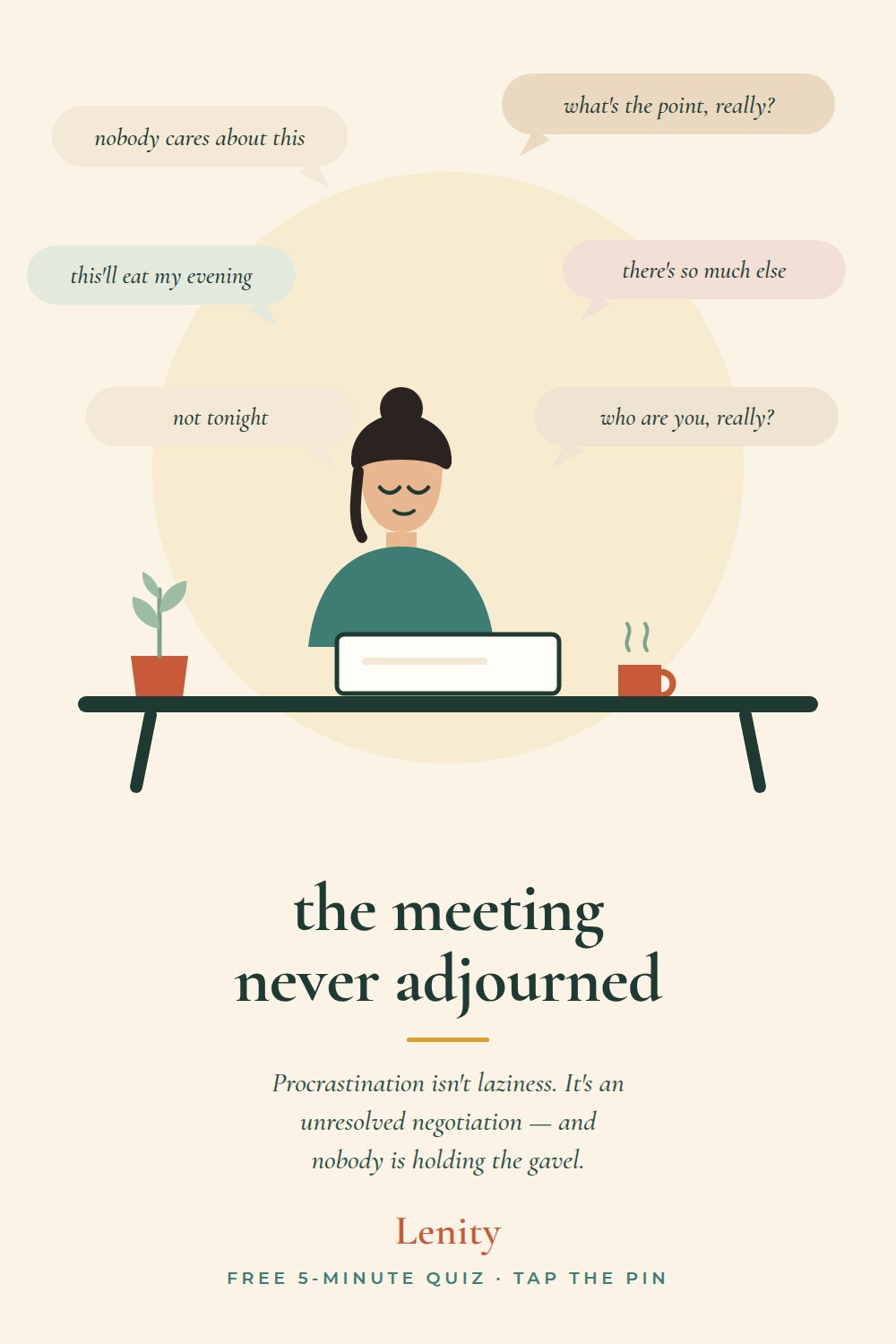
The Committee in Your Head: Why You Overthink Instead of Starting
Overthinking can feel like problem-solving, but sometimes it's an unresolved debate. Here's how to end the meeting in your head.
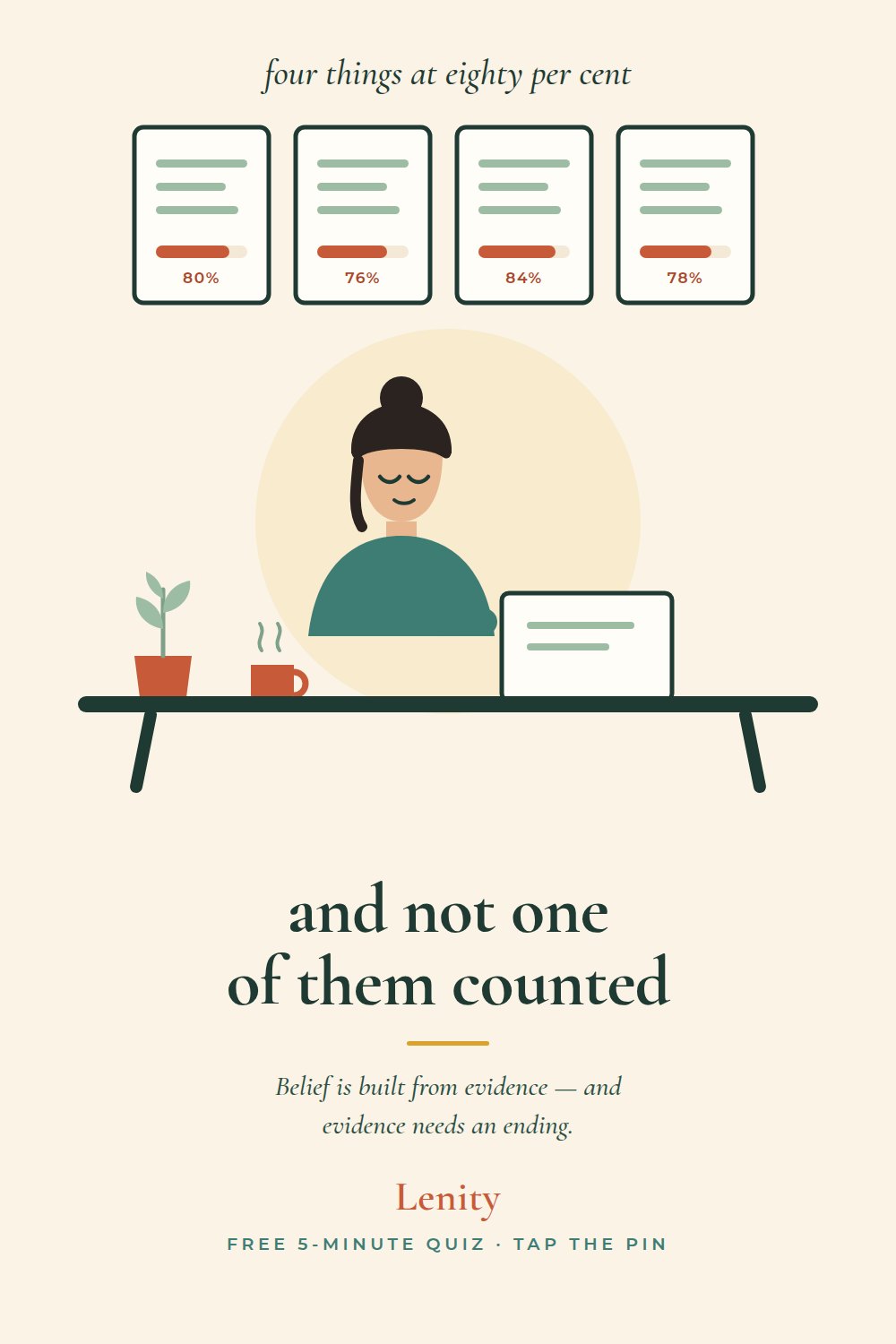
Why Almost-Finishing Something Gives You Nothing
If you start things and never finish them, you may be missing the one thing your brain needs most: evidence that you can finish.
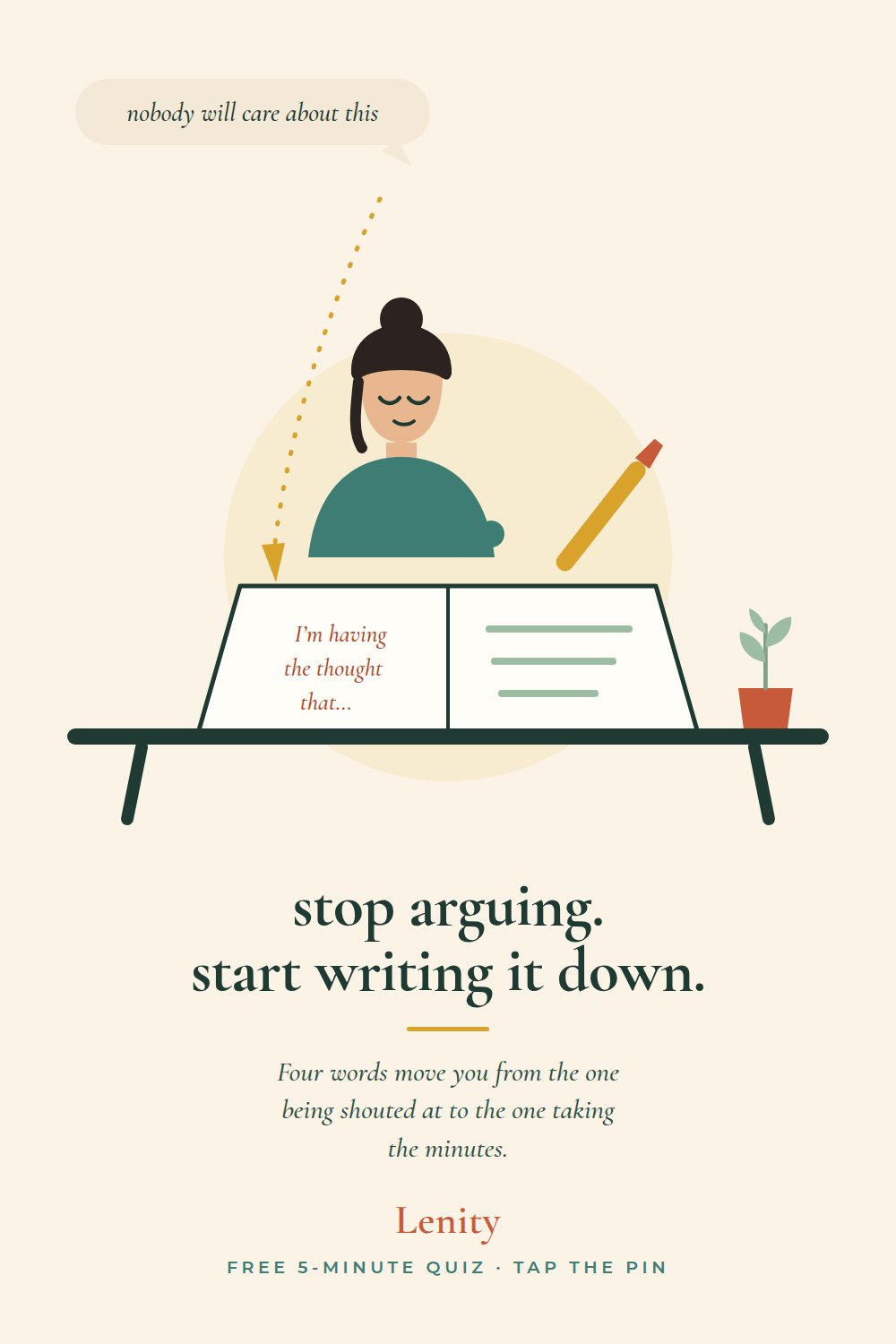
You Can't Win an Argument With Your Own Head
You can't always think your way out of overthinking. Try changing your relationship with the thought instead.