September 11, 2026
The Goal That Ends the Meeting in Your Head
An open-ended task gives your brain endless room to debate. Here's how to write a goal small enough to actually start.
Read the post →
The Lenity Blog
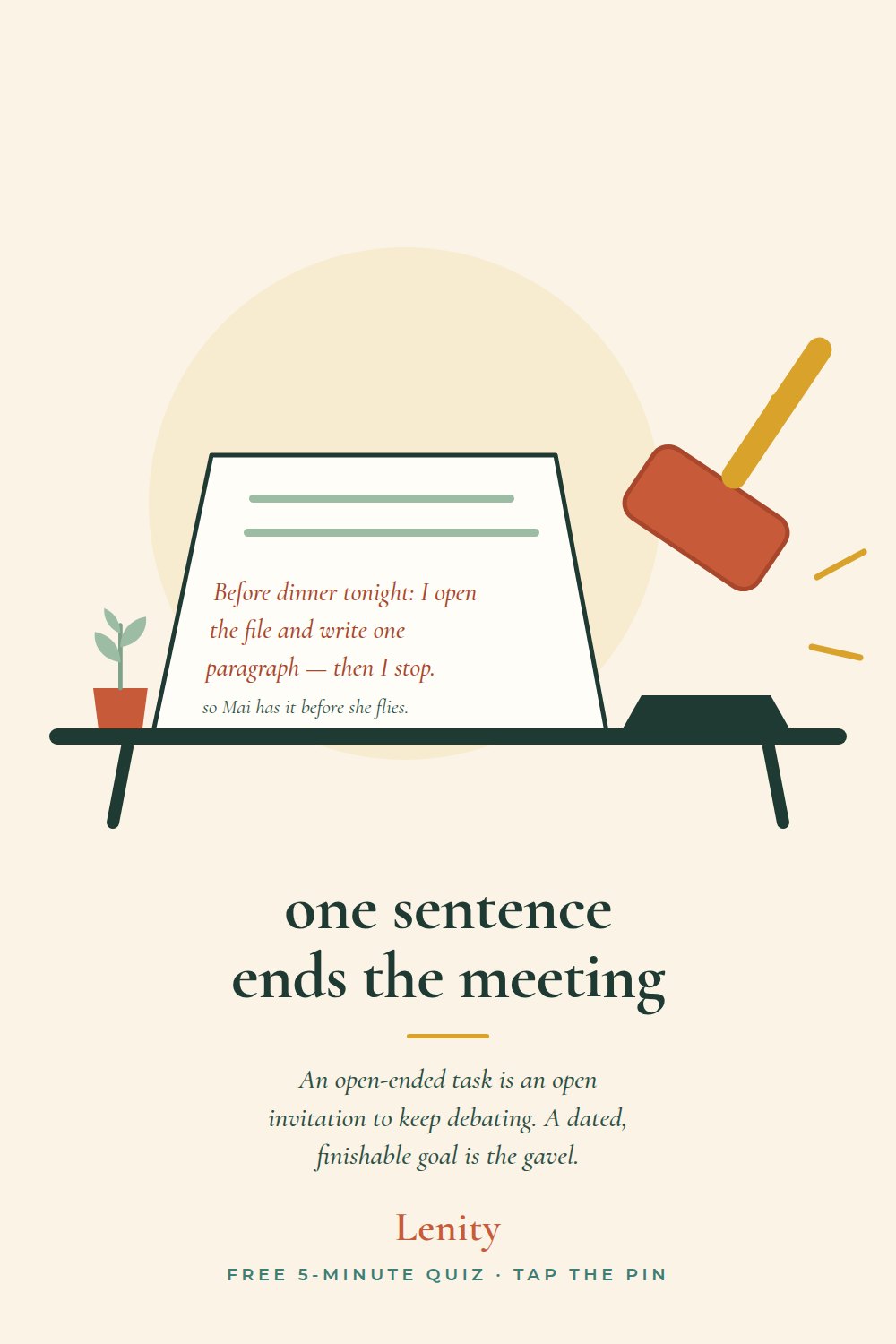
An open-ended task gives your brain endless room to debate. Here's how to write a goal small enough to actually start.
Read the post →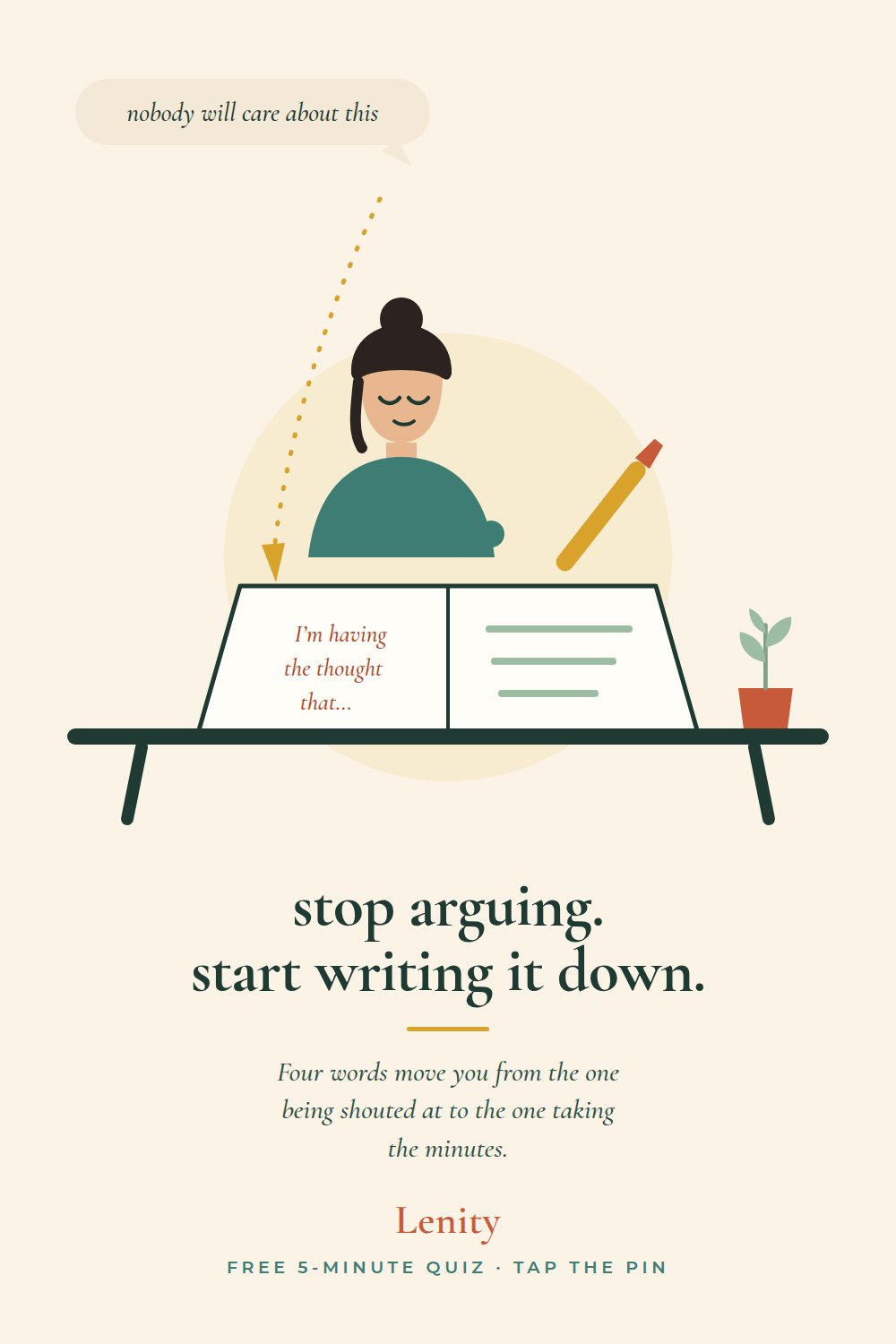
You can't always think your way out of overthinking. Try changing your relationship with the thought instead.
Read the post →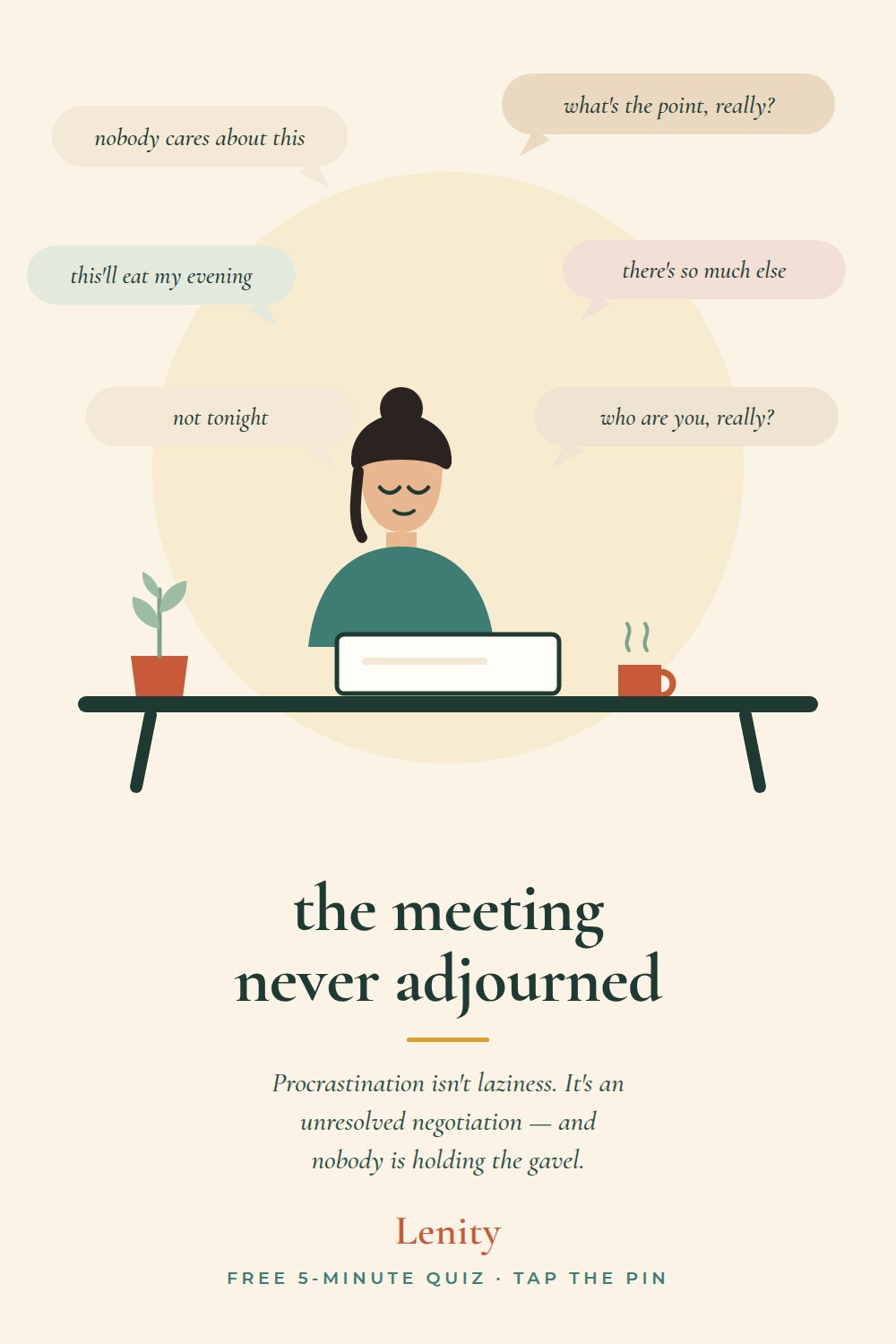
Overthinking can feel like problem-solving, but sometimes it's an unresolved debate. Here's how to end the meeting in your head.
Read the post →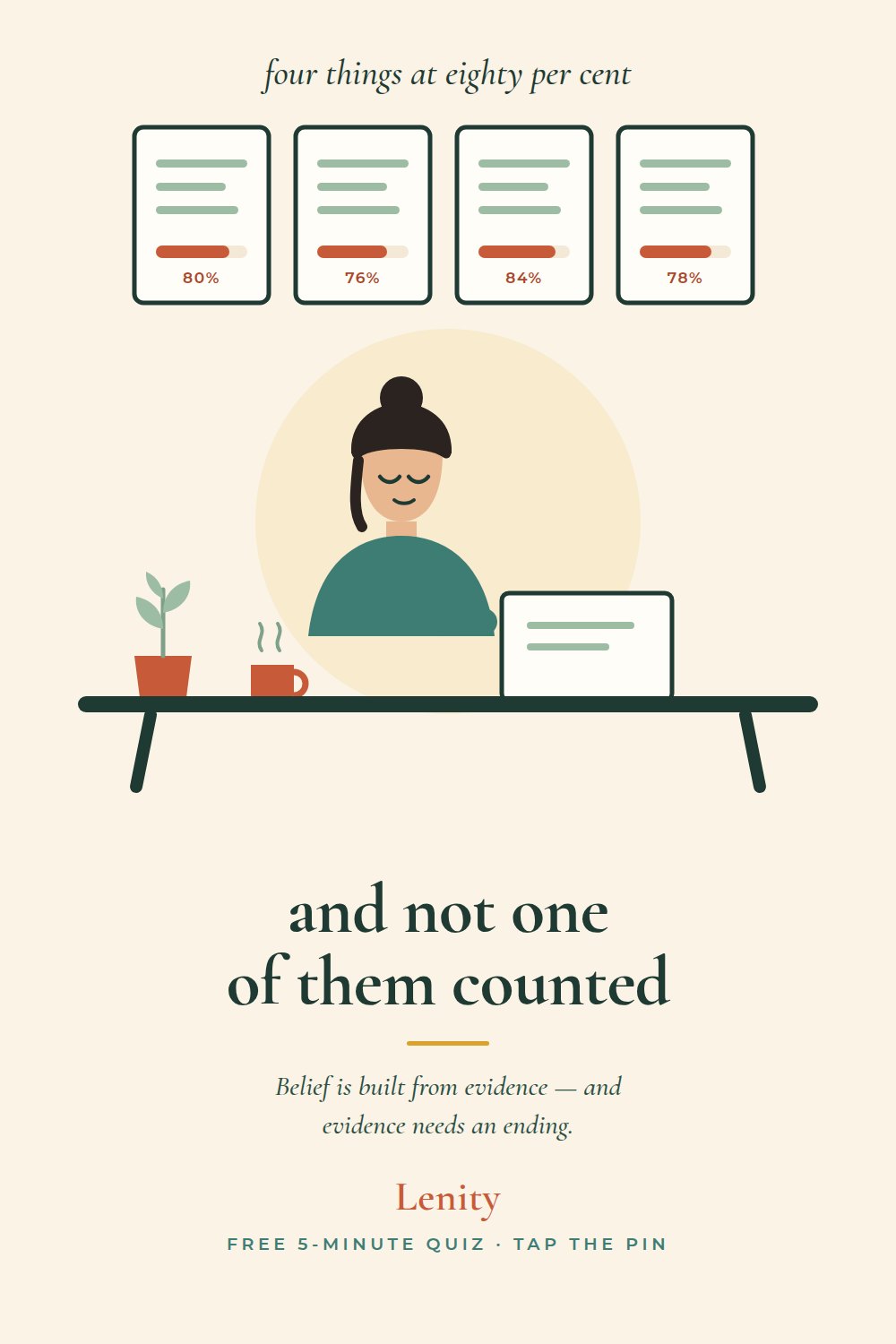
If you start things and never finish them, you may be missing the one thing your brain needs most: evidence that you can finish.
Read the post →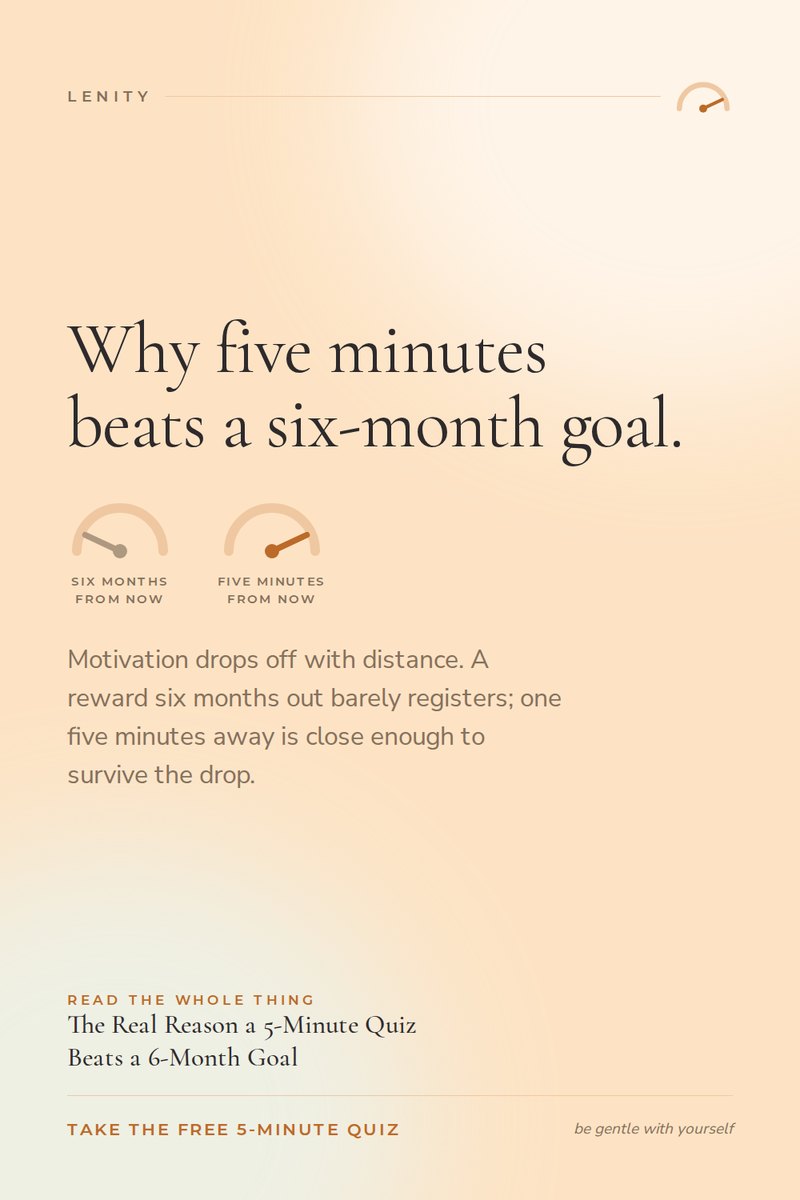
Long-term goals lose to immediate rewards surprisingly easily. Here's why five-minute tasks feel so much easier — and how to use that.
Read the post →
Perfectionism can make capable people procrastinate. Sometimes the problem isn't skill — it's what the work seems to say about you.
Read the post →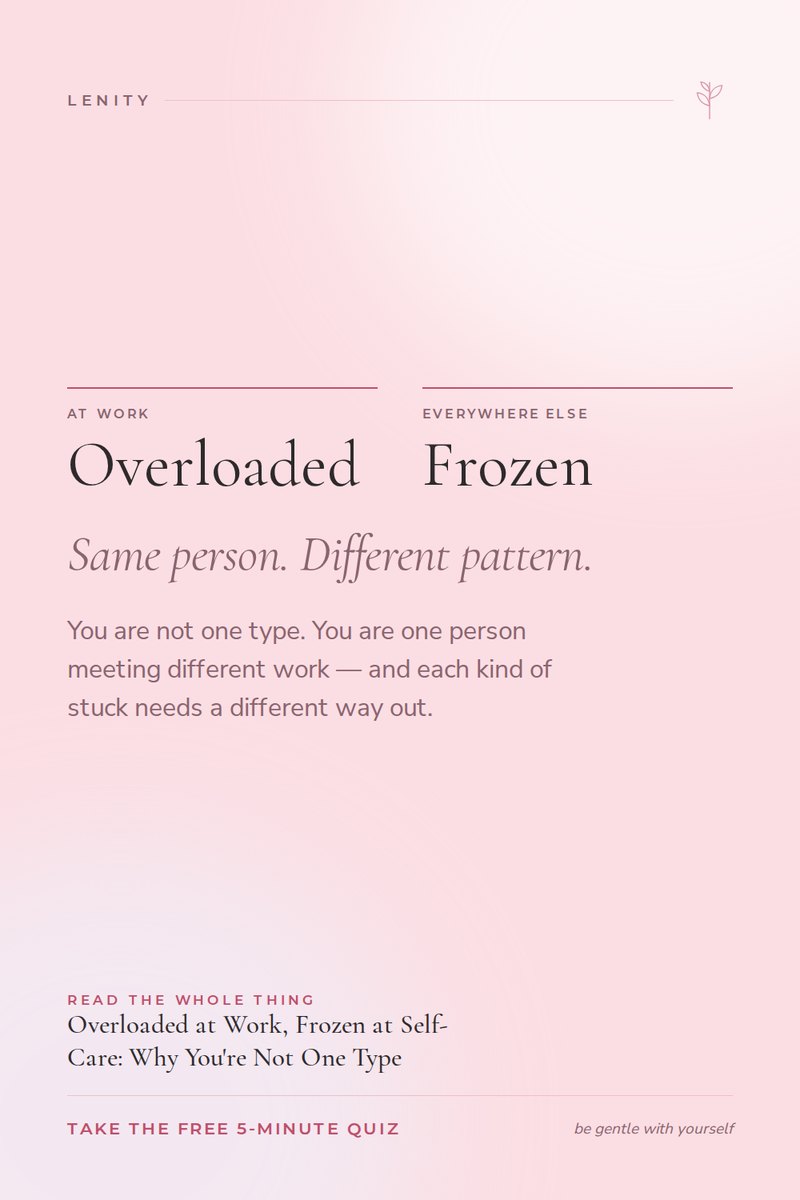
You can be highly capable at work and completely stuck at home. That's not a contradiction. Stuck follows the situation, not your personality.
Read the post →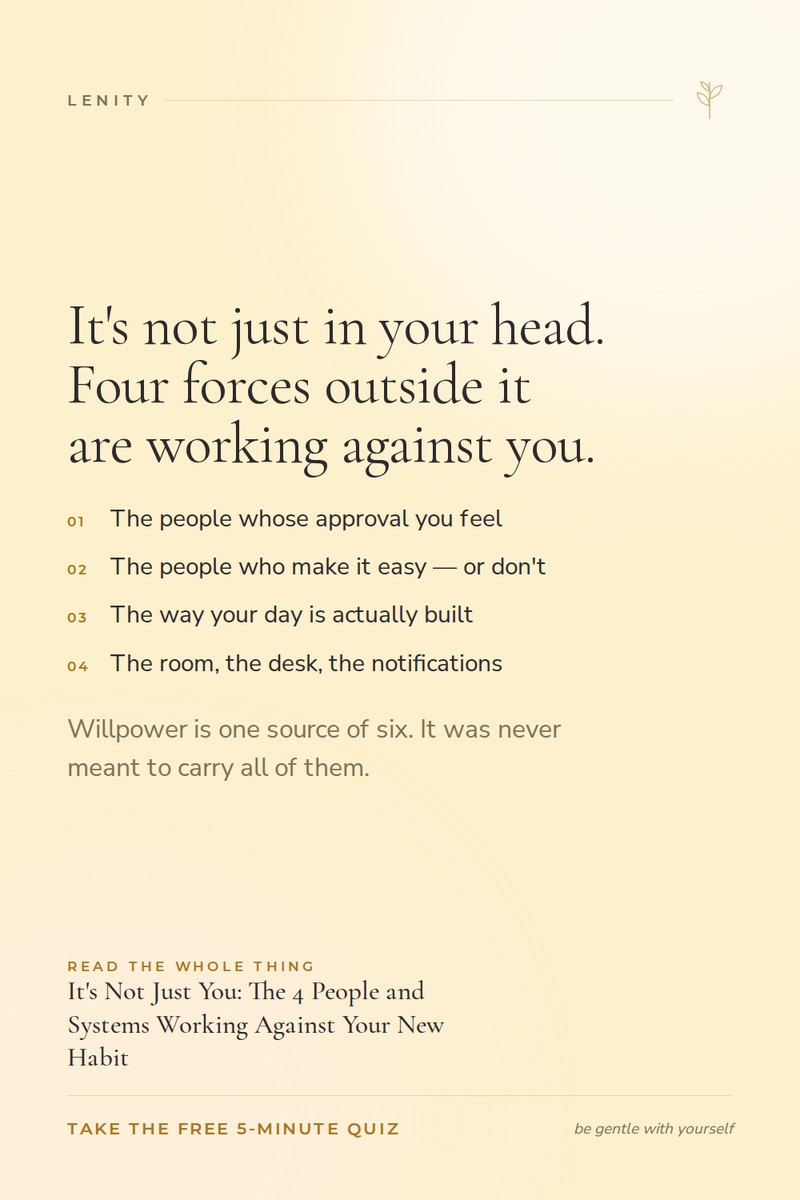
Your habits don't depend on willpower alone. People, routines and your environment can make a new habit much easier — or much harder.
Read the post →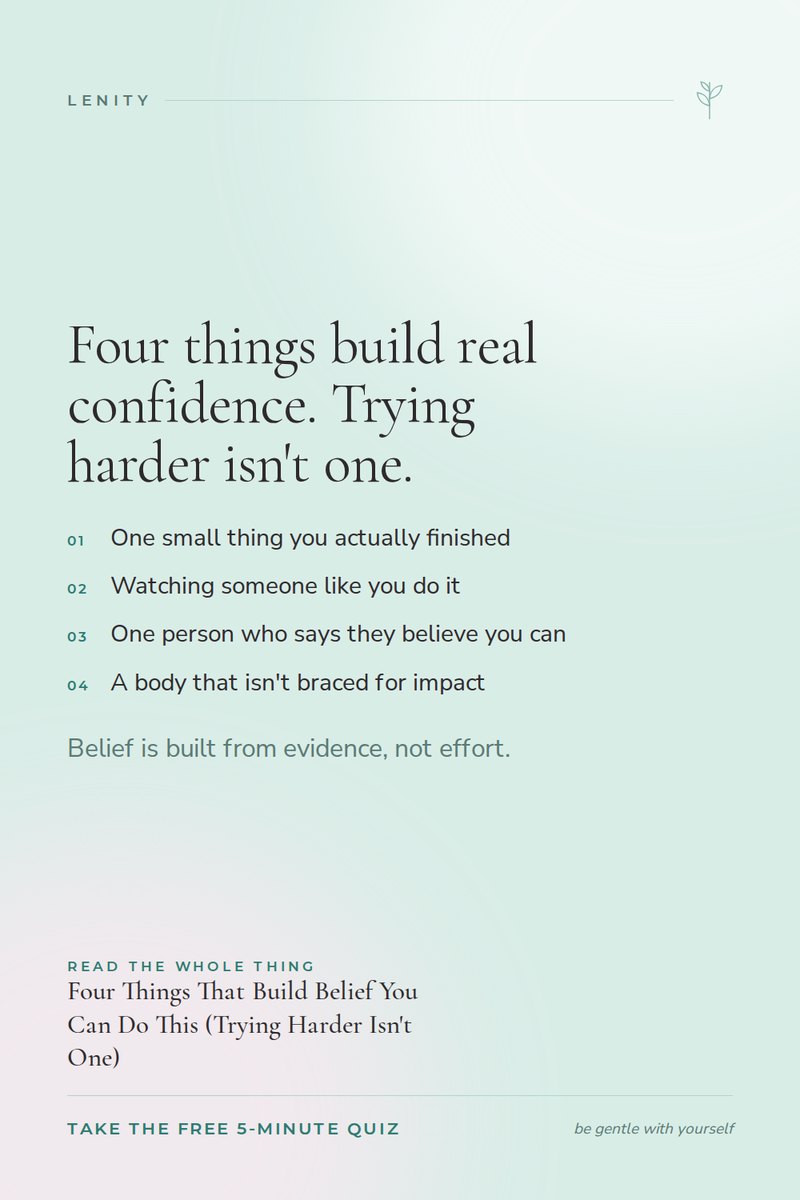
Confidence isn't something you simply decide to have. It's built through four kinds of evidence — and trying harder isn't one of them.
Read the post →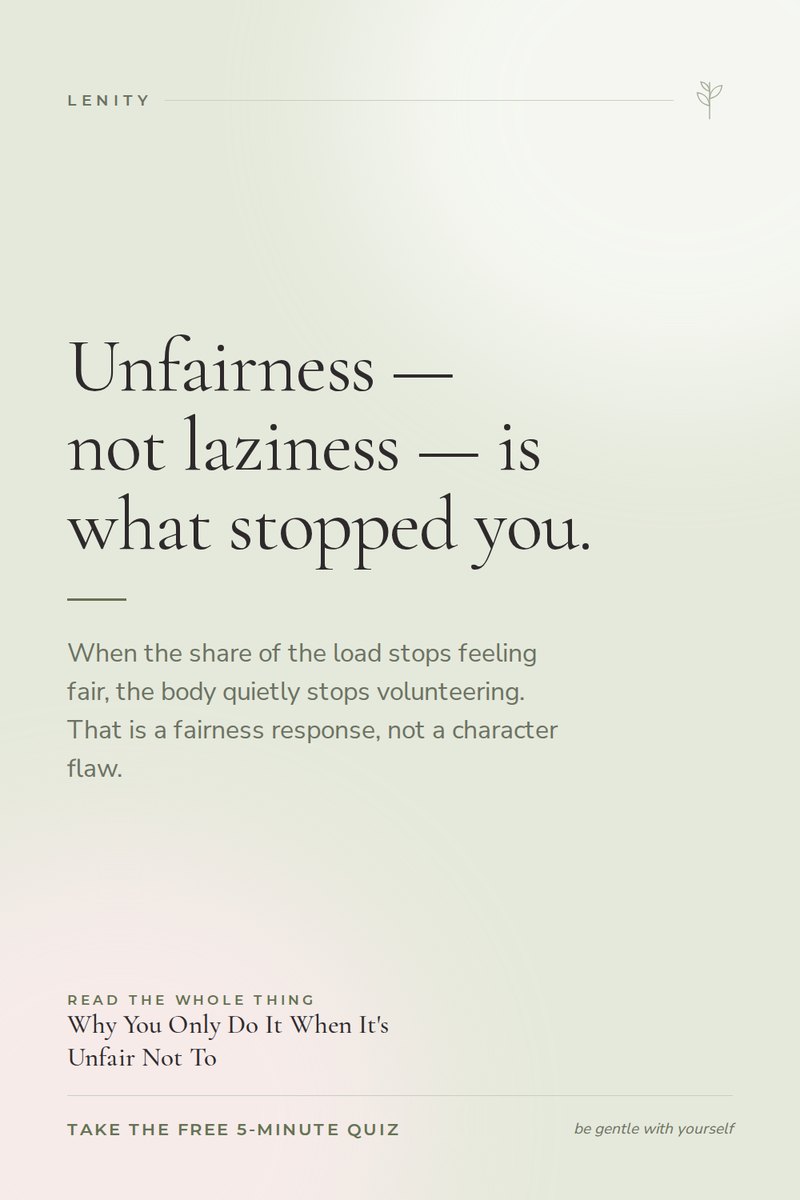
If you only get things done when not doing them would feel unfair to someone else, it may not be laziness. It may be your sense of fairness.
Read the post →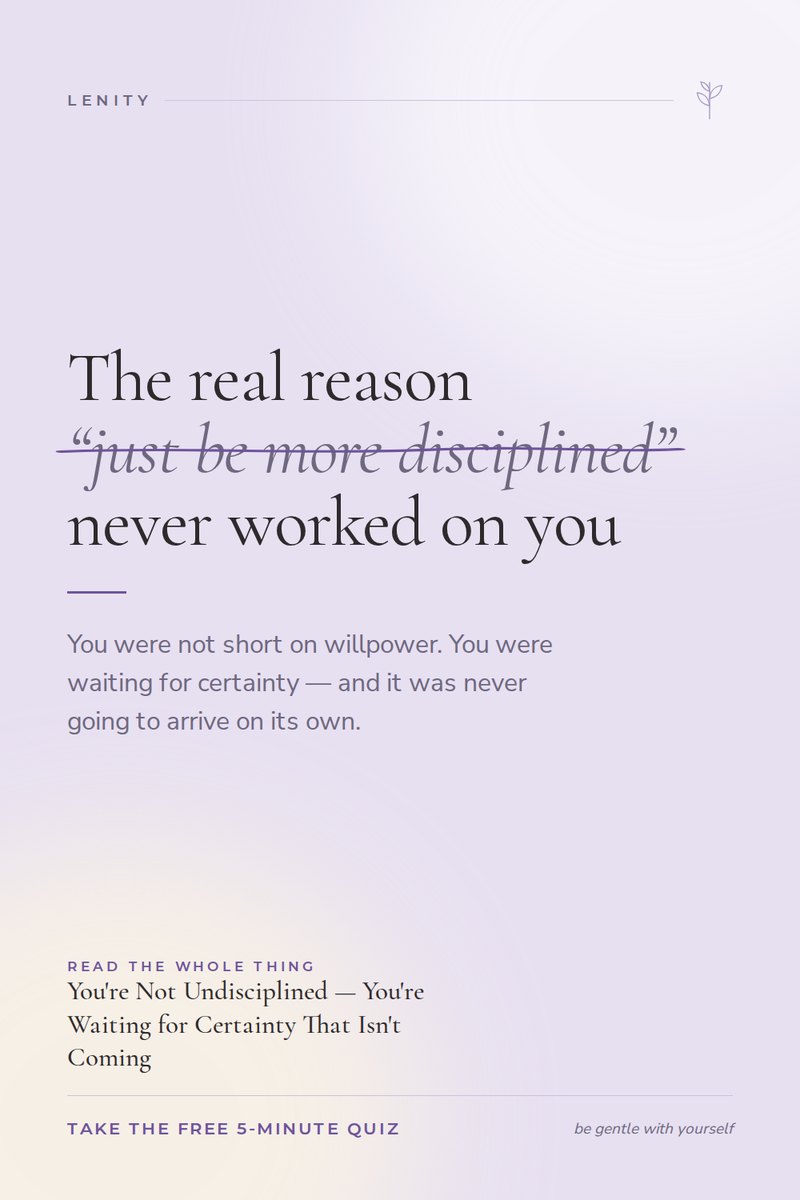
You're not undisciplined. Your brain may be waiting for certainty that isn't coming. Here's what to do instead.
Read the post →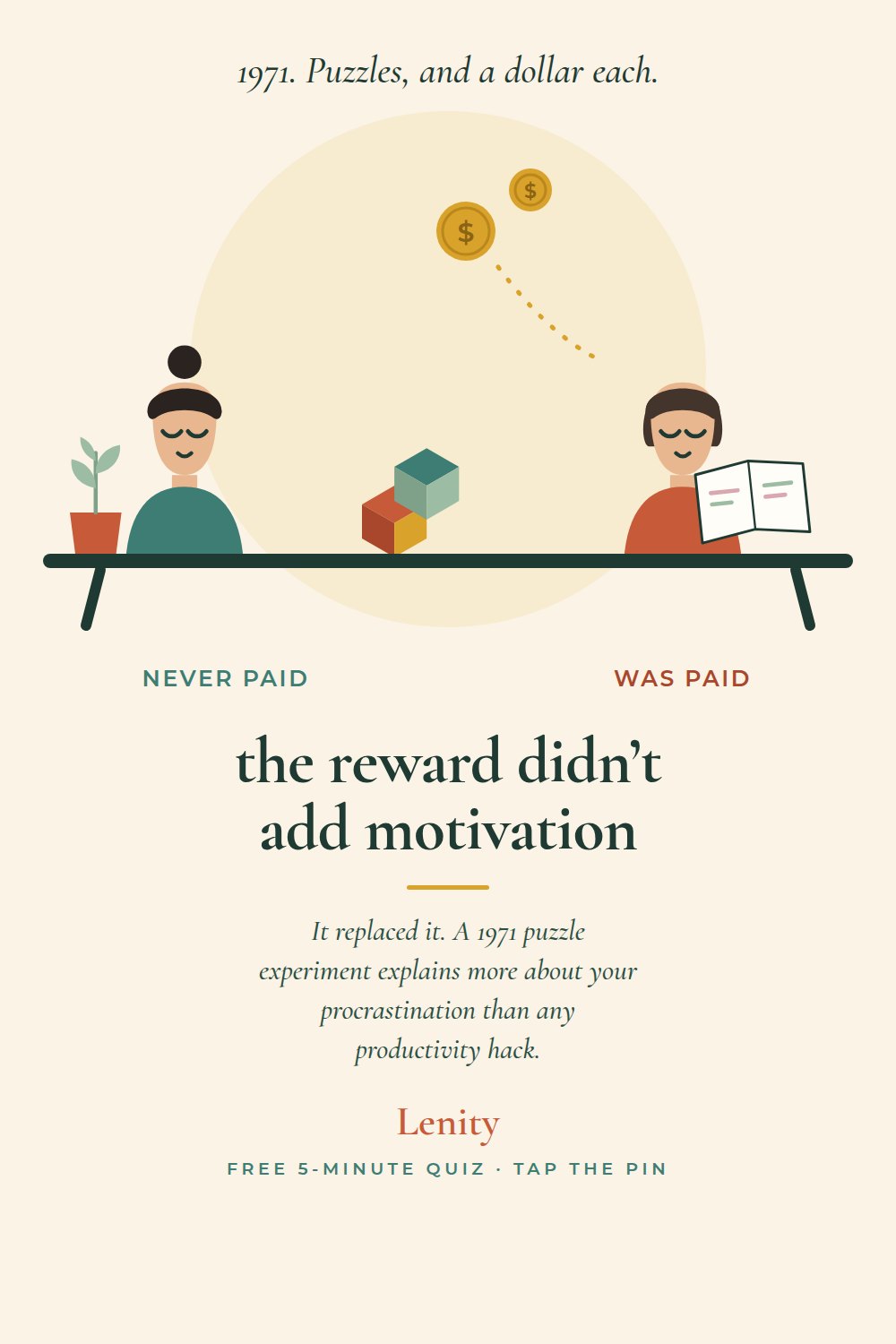
In 1971, a psychologist gave students paid puzzles — then watched what happened when the money stopped. The strange result became Self-Determination Theory, and it explains more about your procrastination than any productivity hack.
Read the post →